
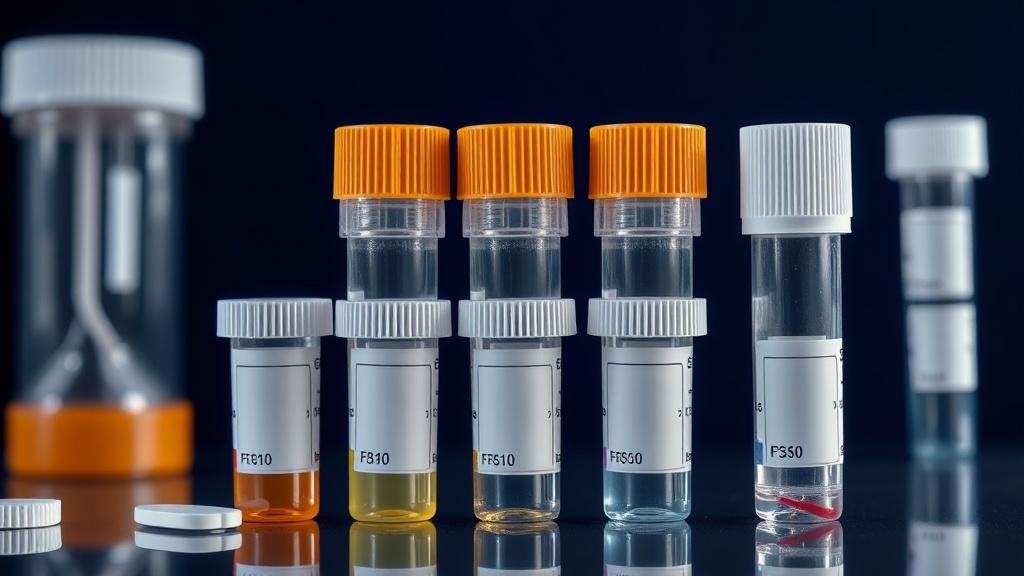

The DOT proposed adding fentanyl to the drug testing panel. Learn about the regulatory timeline, impact on employers, and how to prepare your testing program for the fentanyl expansion.
Audio Summary
1:29
Listen: Fentanyl Testing 2026
Narrated by Catherine · DOT Compliance Educator
0:00
1:29
Click play to load audio
Regulatory Status
As of early 2026, the proposed rule to add fentanyl to the DOT drug testing panel is in the rulemaking process. The DOT published a Notice of Proposed Rulemaking (NPRM) and the public comment period has closed. A final rule is expected but has not yet been published. This guide reflects the proposed requirements and will be updated when the final rule is issued.
Why Fentanyl Is Being Added
Fentanyl and its analogues have become the leading cause of drug overdose deaths in the United States. The synthetic opioid is far more potent than morphine and has increasingly appeared in the illicit drug supply, often mixed with other substances without the user's knowledge.
Despite the scale of the fentanyl crisis, the current DOT 5-panel drug test does not specifically screen for fentanyl. While the existing opioid panel detects substances like codeine, morphine, heroin, hydrocodone, and oxycodone, fentanyl requires separate immunoassay screening and confirmatory testing due to its distinct chemical structure.
The addition of fentanyl to the DOT testing panel addresses a significant gap in the current testing program. Transportation safety regulators, industry groups, and safety advocates have long called for this expansion to ensure that safety-sensitive employees using fentanyl — whether illicitly or through diversion — are identified through the testing program.
What the Proposed Rule Includes
The proposed rule would amend 49 CFR Part 40 to add fentanyl as a sixth drug class to the DOT mandatory testing panel. Key provisions of the proposed rule include:
- New analyte — Fentanyl and norfentanyl (the primary metabolite) would be added to the testing panel, expanding it from 5 to 6 drug classes
- Initial test cutoff — The proposed immunoassay screening cutoff for fentanyl in urine is expected to be set at a level that balances detection sensitivity with specificity
- Confirmatory test cutoff — Confirmatory testing using mass spectrometry would have a separate, lower cutoff concentration
- Oral fluid testing — Fentanyl cutoffs would also be established for oral fluid specimens, aligning with the recently authorized oral fluid testing program
- MRO review — MROs would review confirmed fentanyl positives using the same process as other opioids, including determining whether a legitimate medical explanation (valid prescription) exists
- Laboratory certification — SAMHSA-certified laboratories would need to demonstrate proficiency in fentanyl and norfentanyl testing
Regulatory Timeline
The rulemaking process for adding fentanyl to the DOT testing panel has progressed through several stages. Understanding the timeline helps employers anticipate when compliance will be required.
2023-2024
DOT and SAMHSA coordinated on proposed cutoff levels and testing methodology for fentanyl in both urine and oral fluid specimens
2024-2025
Notice of Proposed Rulemaking (NPRM) published in the Federal Register with a public comment period
2025-2026
DOT reviewed public comments and prepared the final rule. Laboratories and collection sites began preparing for implementation
TBD
Final rule publication with an implementation period for employers and laboratories to update their programs
Impact on Employers
When the final rule takes effect, all DOT-regulated employers will need to make several adjustments to their drug and alcohol testing programs.
Program and Policy Updates
- Written drug and alcohol policies must be updated to reference fentanyl as a tested substance
- Employee notification materials and pre-employment disclosures must be revised
- Training materials for supervisors and Designated Employer Representatives (DERs) must be updated
Testing and Laboratory Considerations
- Employers should verify that their contracted laboratory is certified for fentanyl testing
- Collection procedures remain unchanged — no new specimen type is required for the fentanyl addition
- MRO services must be updated to handle fentanyl verification interviews
- Costs may increase slightly due to the additional analyte on the testing panel
Potential Increase in Positive Results
Industry experts anticipate that adding fentanyl to the panel may result in an increase in positive test rates, at least initially. Employers should be prepared for the possibility of more positive results and ensure they have proper procedures in place for handling violations, including FMCSA Clearinghouse reporting for CDL drivers, SAP referrals, and temporary workforce adjustments if safety-sensitive employees must be removed from duty.
How to Prepare Now
Even before the final rule is published, employers can take proactive steps to prepare for fentanyl testing:
- Review your current program — Audit your existing drug and alcohol testing program for any gaps or deficiencies that should be addressed before a new requirement is added
- Talk to your C/TPA — If you work with a consortium or third-party administrator, confirm their plan for implementing fentanyl testing when the rule becomes final
- Verify laboratory readiness — Contact your laboratory to confirm they will be ready to test for fentanyl and norfentanyl when required
- Budget for changes — Plan for potential cost increases in testing panel fees and additional MRO reviews
- Educate your workforce — Consider informing safety-sensitive employees about the upcoming change as part of your drug-free workplace education program
- Update policies proactively — Draft updated policy language that can be finalized quickly once the final rule is published
Frequently Asked Questions
Is fentanyl testing currently required for DOT tests?
+
No. As of early 2026, fentanyl is not yet part of the mandatory DOT drug testing panel. The DOT has proposed adding fentanyl through a rulemaking process, but the final rule has not been published. Until the final rule takes effect, the standard DOT 5-panel test remains in place. However, employers can add fentanyl to non-DOT testing panels right now.
Will fentanyl testing cost more?
+
There may be a modest increase in per-test costs to cover the additional analyte. The exact cost impact will depend on laboratory pricing and whether your testing program uses urine, oral fluid, or both specimen types. Most industry observers expect the cost increase to be relatively small on a per-test basis.
Can I add fentanyl to my testing panel before the rule is final?
+
You cannot add fentanyl to DOT-mandated tests before the rule requires it, as DOT tests must follow the exact panel specified in Part 40. However, you can add fentanyl to any non-DOT workplace testing program you maintain. Many employers are already including fentanyl on their non-DOT panels as a proactive safety measure.
Stay Ahead of Regulatory Changes
ABW Compliance monitors every DOT regulatory change and proactively updates our clients' programs. Let us make sure you are ready when fentanyl testing becomes mandatory.
Get a Free Compliance AssessmentGet a Free Quote
Recent Posts
- Return-to-Duty Process: Complete Guide for Employers (2026)May 12, 2026
- Reasonable Suspicion Training: What Supervisors Need to Know (2026)May 12, 2026
- DOT Post-Accident Drug & Alcohol Testing: Employer Guide (2026)May 12, 2026
- DOT Compliance for Owner-Operators: Getting Started Guide (2026)May 12, 2026
- Oral Fluid Testing: DOT-Approved Saliva Drug Testing Guide (2026)May 12, 2026